


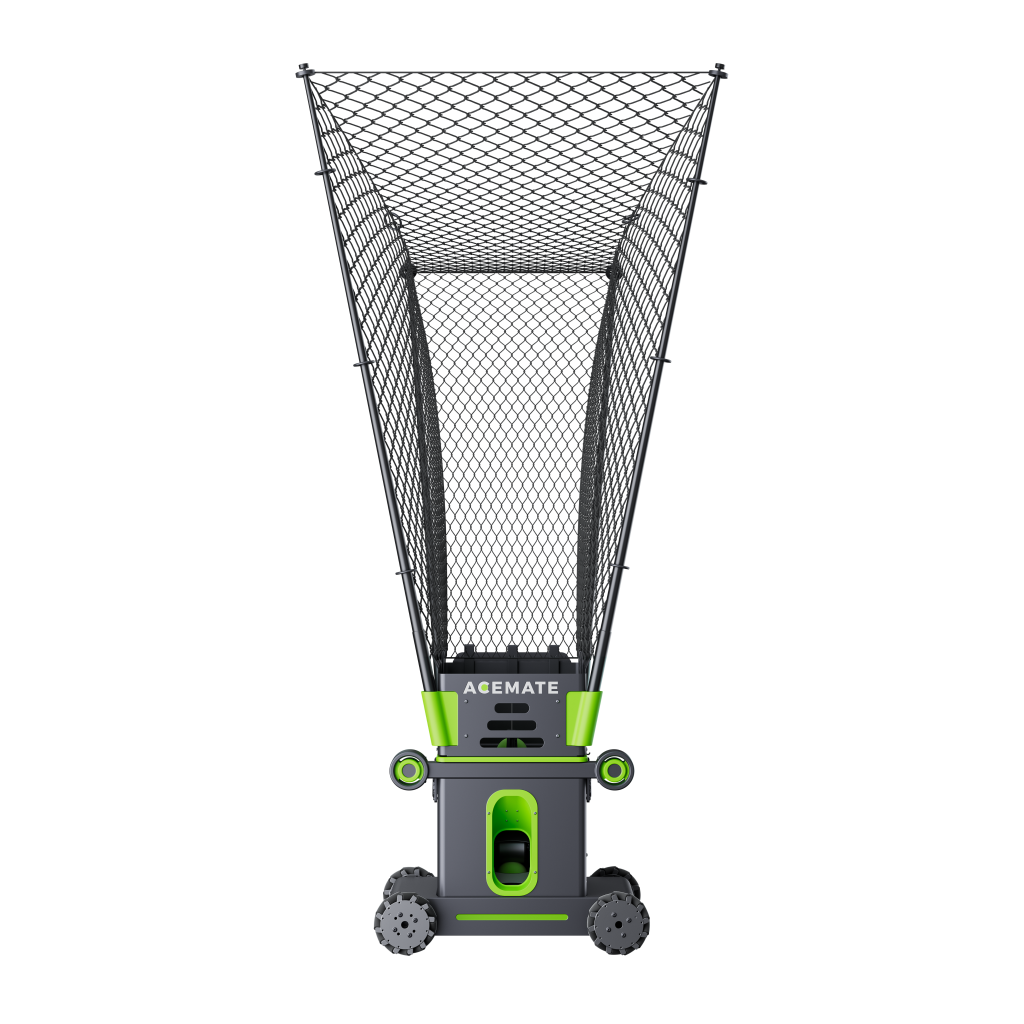
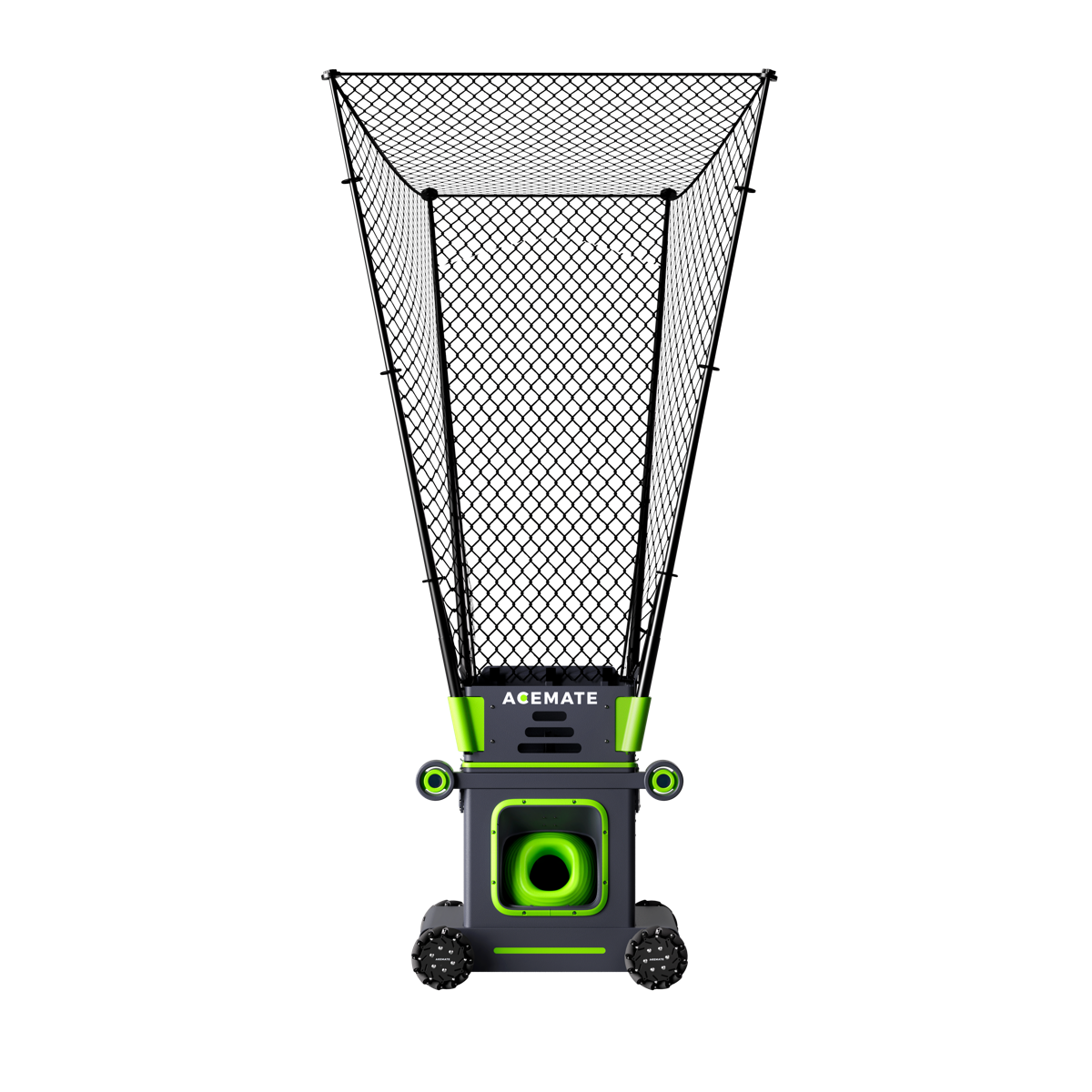
A premium tennis ball machine is worth considering when its additional capabilities solve a problem in your regular practice. For Acemate S10 PRO, the relevant question is whether interactive rallies and configurable training belong in your routine. Paying more without a clear use for those capabilities is a weaker purchasing case.
This guide helps you assess the extra investment. It does not assume that a more expensive machine produces faster improvement.
- Name the training limitation. Identify what your current practice cannot provide.
- Connect the premium to use. Specify which added capability you would use during a normal week.
- Price the complete setup. Include the equipment and arrangements needed to use the machine.
1. Start with the problem you are paying to solve
There are several possible reasons to spend more. You might need more control over a sequence, a different type of interaction or a setup that supports a broader range of sessions.
Write your reason as a specific task. “I want a machine that feels advanced” is hard to evaluate. “I want to practise a planned sequence and also work through suitable returned-ball exchanges” identifies a requirement you can demonstrate.
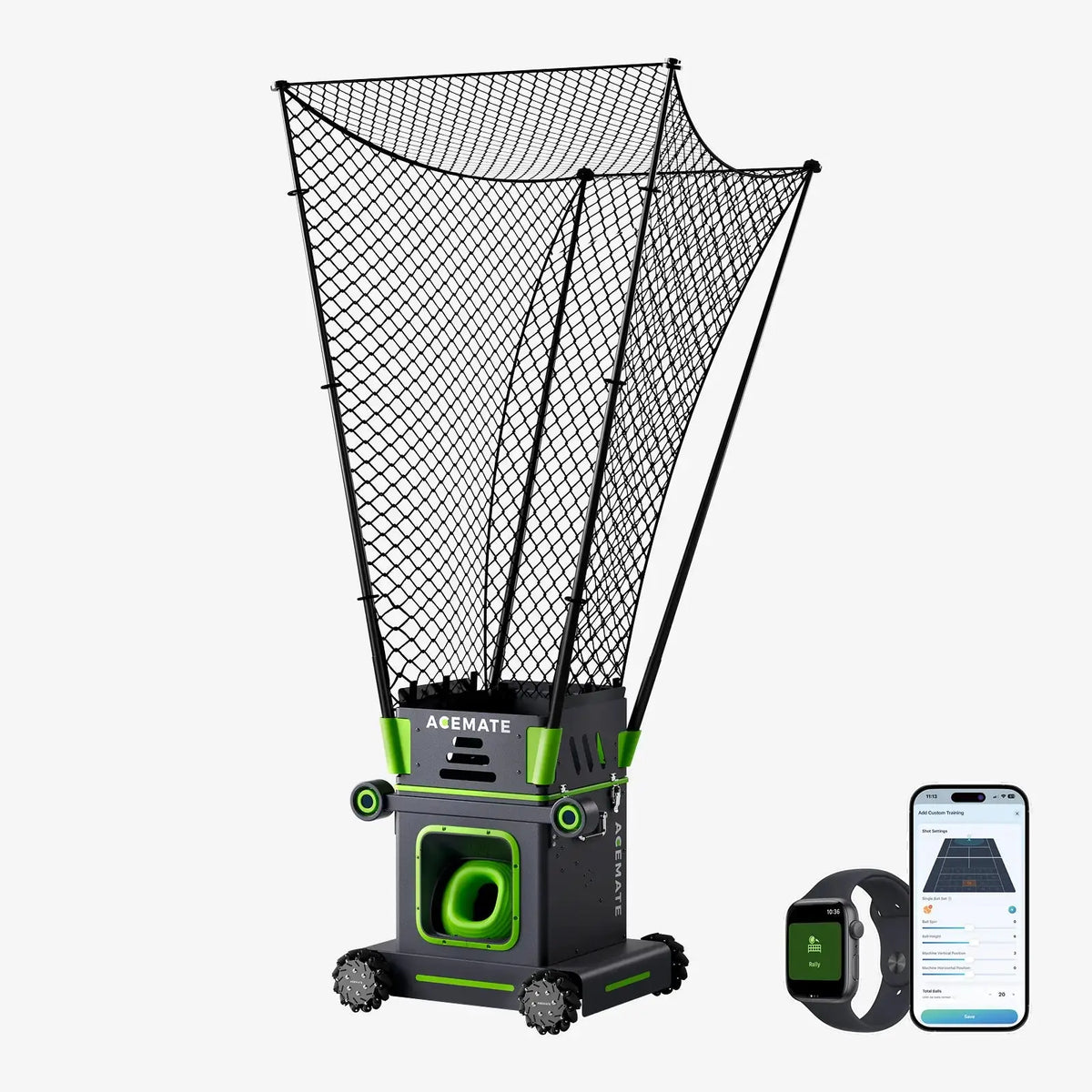
For S10 PRO, the premium case is specific: app-defined placement and shot sequences, returned-ball Rally practice, and Serve mode in which you serve to the robot and play its return. Those functions address different practice tasks rather than merely adding a higher speed ceiling. Whether that combination deserves your budget depends on how often you intend to use it.
2. Separate capability from marketing vocabulary
| Proposed reason to spend more | Evidence to request | What it does not prove |
|---|---|---|
| More control over drills | A demonstration of the required sequence and settings | Better results from every session |
| Interactive rally practice | An exchange using returns appropriate to your level | That every shot will be returned |
| More demanding delivery | The specific pace, placement and spin combination you need | That all maximum settings work together |
| A more convenient routine | A trial of setup, controls and transport | Guaranteed time savings |
Use this table to turn broad promises into purchase checks. The same method applies whether you are replacing basic equipment or buying your first machine.
App control alone should not settle the decision. Several premium stationary models offer programming too. Ask what the controls let you do, rather than treating the presence of an app as a unique benefit.
For a buyer who will regularly combine those tasks, PRO is a justified candidate for the additional budget. If you only want an unchanged warm-up feed, that broader capability is a weaker reason to spend more. This recommendation is based on functional fit, not measured improvement.
3. Build a realistic weekly use case
Imagine that you can book a court for two solo sessions each week. One focuses on repeated technique work, while the other focuses on a less predictable exchange. A machine supporting both tasks may earn a regular place in your routine.
Now consider a different buyer who plays occasionally and mainly wants a consistent warm-up feed. The same premium may be harder to justify. The difference is intended use, not which buyer takes tennis more seriously.
Include practical constraints. A machine you cannot comfortably transport, store or charge will be difficult to use as planned. If you share equipment with another player, agree how court access and settings will work before treating shared use as guaranteed savings.
The S10 PRO mode guide can help turn a general interest into a proposed session.

Illustrative purchase-cost allocation—not current pricing or total ownership cost.
4. Use simple budget arithmetic without inventing a return
You can allocate the premium across expected sessions. Suppose the additional purchase cost is $600 and you realistically expect 120 sessions over your chosen planning period. That is $5 of additional purchase cost per planned session.
Those numbers are an illustration, not current Acemate pricing, a lifespan estimate or a resale forecast. If you complete only 60 sessions, the same allocation becomes $10 per session. The calculation is sensitive to use.
It also excludes maintenance, energy, consumables and financing. Do not present it as a complete ownership cost or compare it with lessons as though a machine replaces a coach.
For current purchase decisions, substitute your actual delivered quotations. Use the running-cost guide to separate known costs from uncertain replacement schedules.
The choice comes down to this
S10 PRO deserves a place on your shortlist if you can identify recurring sessions that use its additional capabilities. Before buying, demonstrate those sessions and confirm that the practical setup works.
If you are choosing between Acemate models, start with the S10 versus S10 PRO guide. Buy the capability you will use, with room for realistic plans rather than an unspecified future need.
For a practical next step, check Acemate demo locations and confirm which model the host offers. For a specific setup or delivered quotation, contact the Acemate team.
FAQ
Does a premium price guarantee faster improvement?
No. Practice design, feedback, consistency and individual circumstances all matter. A specification sheet cannot establish an improvement rate.
Should a first-time buyer avoid a premium machine?
Not necessarily. A first-time buyer may have clear requirements that justify it. Confirm those requirements before paying for features you have not tried.
Can I calculate whether a machine pays for itself?
You can model costs using your own assumptions. Keep purchase allocation separate from total ownership cost and do not count unverified coaching savings or additional income.
