



Team story · Harvard
Harvard Women's Tennis Welcomes Acemate S10 Pro
An NCAA Division I program brings AI-powered rally training into its daily practice environment.
- Team
- Harvard Women's Tennis
- Level
- NCAA Division I
- Conference
- Ivy League
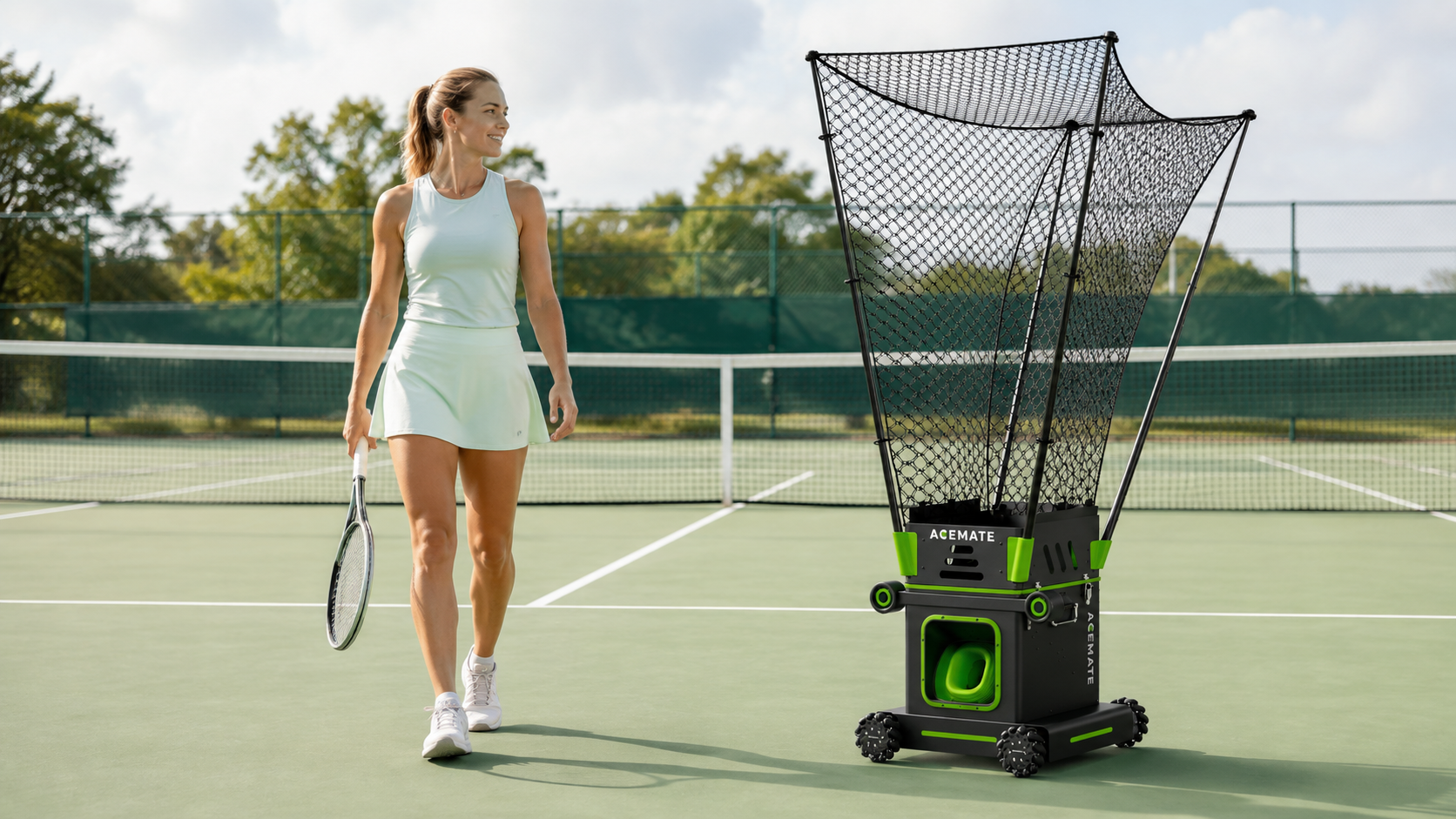
Harvard University's women's tennis team has added the Acemate S10 Pro AI tennis robot to its training program. The team competes at the NCAA Division I level, supported by a professional coaching staff, a structured training system, and extensive high-level competitive experience.
The addition marks another step in Acemate's journey from large-scale tennis experiences to demanding collegiate training environments. It also opens a new setting for exploring how responsive AI technology can support focused, repeatable work on court.

A Competitive Tradition Built on Daily Work
Harvard is known worldwide for academic excellence, but university athletics in the United States also operate within a mature and highly competitive system. Harvard Women's Tennis competes in NCAA Division I and the historic Ivy League, where athletes balance a full academic schedule with year-round preparation and official competition.
The program's record reflects that standard. In the 2025 season, Harvard went unbeaten across seven Ivy League matches to secure the regular-season title, the 20th conference championship in program history. Head coach Traci Green and her staff were also named the Ivy League Coaching Staff of the Year.
Why an AI Tennis Robot Belongs in High-Level Training
Elite players train with a purpose. Forehand and backhand stability, spin recognition, placement, movement, and the transition between attack and defense all depend on large volumes of high-quality repetition.
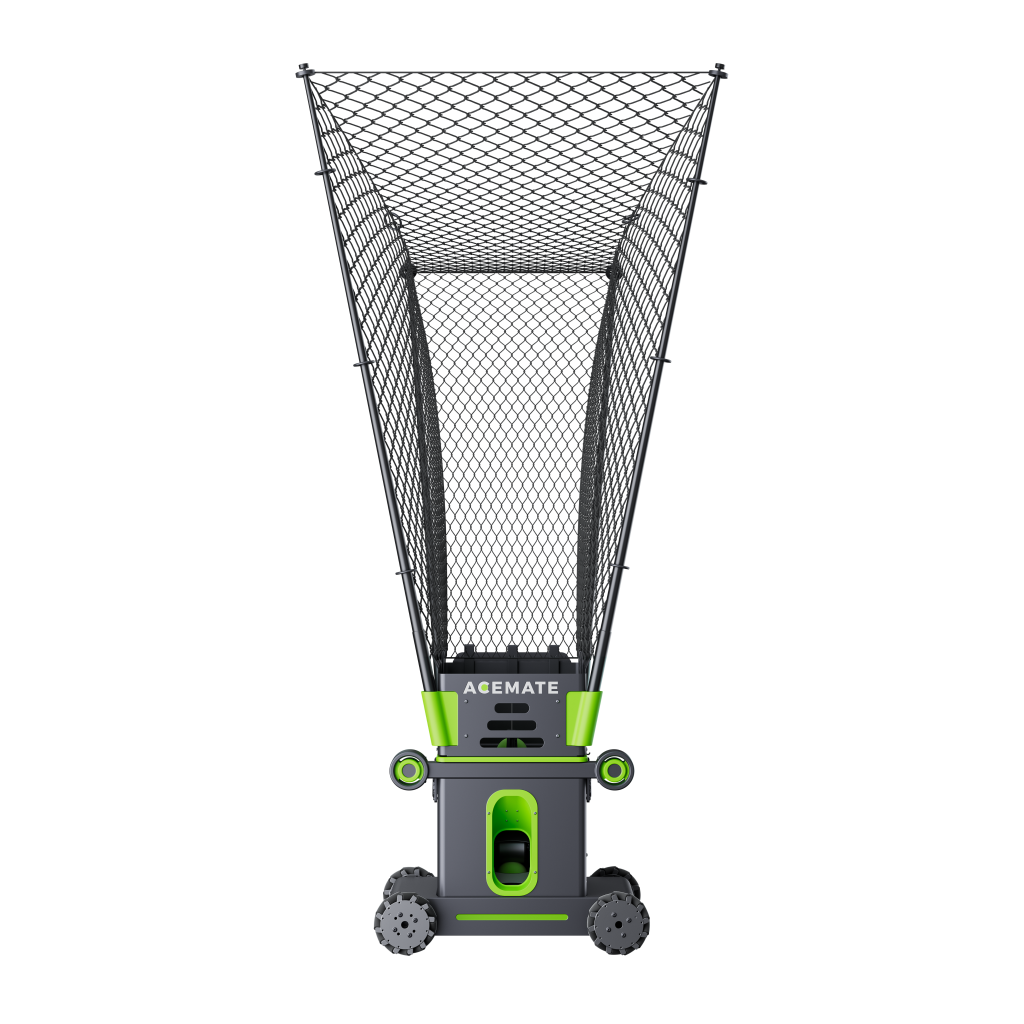
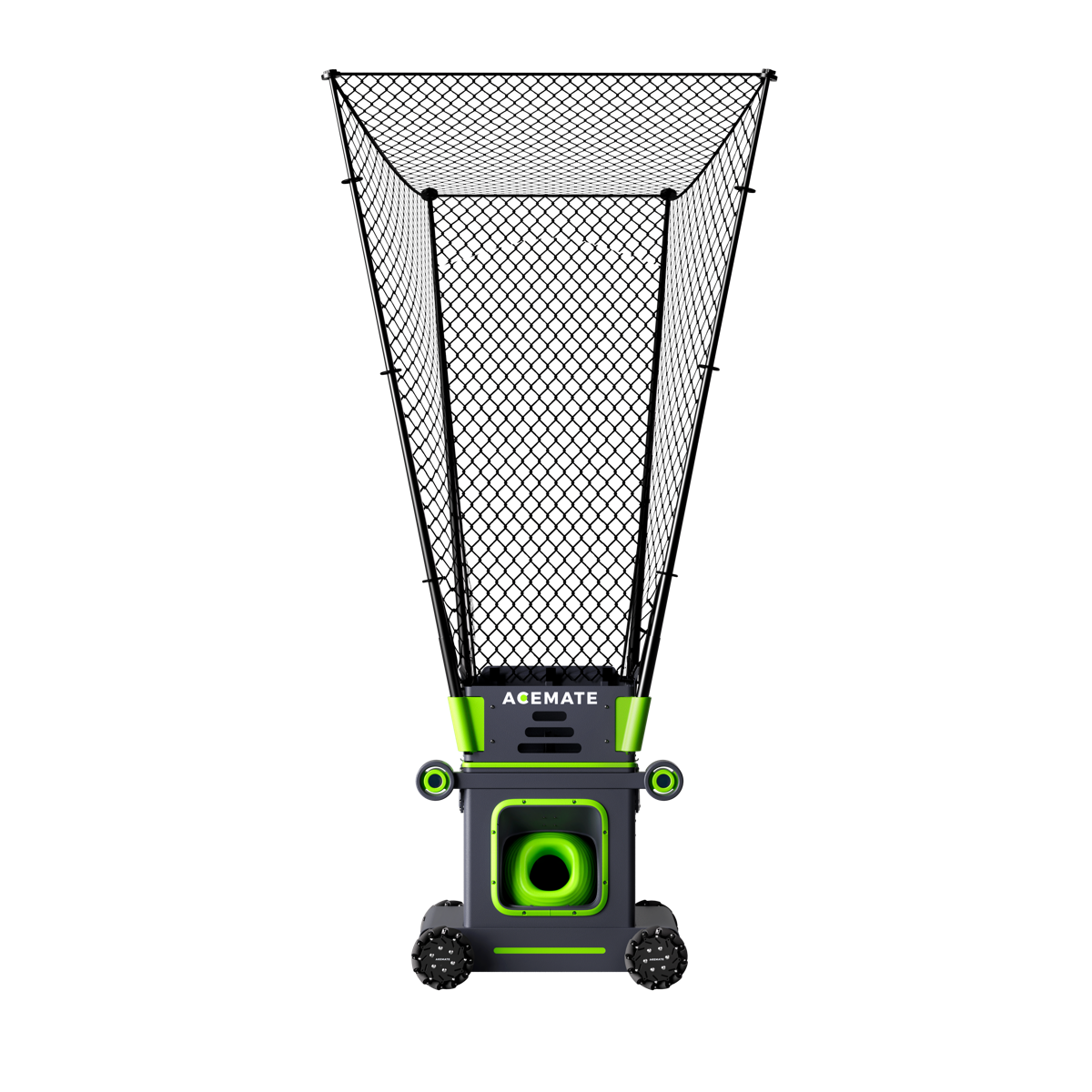
Traditional ball machines can deliver consistent feeds, but most remain fixed to a preset rhythm and trajectory. Acemate S10 Pro is designed to take a more active role: it sees the incoming ball, moves into position, and returns the shot so practice can become continuous and responsive.
Responsive Rally Movement
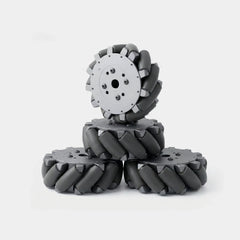
Dual-camera AI vision and an omnidirectional drive system help S10 Pro track the incoming ball, predict its path, and move into position for the return.
ACE+ SHOT™ Performance
Ball speeds up to 75 mph, strong topspin, varied trajectories, and precise placement support demanding baseline work and repeatable technical exercises.
Coach-Designed Sessions
Coaches can use the app's court interface to shape position, placement, net clearance, speed, and spin for individual players or specific tactical goals.
Visible Training Data
AI tracking records shot performance, return placement, and session results, turning daily practice into information coaches and athletes can review.
More Control for Coaches. More Quality Reps for Players.
Professional training has no single formula. A player working on the backhand may need sustained pressure to one side. A transition drill may combine deep balls, short balls, and wider angles. Match preparation may call for a pattern that mirrors a particular opponent.
With customizable ball sequences and responsive rally capability, S10 Pro gives coaches another way to build those sessions. The robot is not intended to replace a coach or a live opponent. It is a training partner that helps make targeted repetitions easier to organize, repeat, and measure.
From Every Swing to the Next Stage
Acemate is now used by tennis players across more than 60 countries and regions. More than 2,000 fans experienced an Acemate AI tennis robot at the 2026 China Open; now S10 Pro is also entering the daily training environment of an NCAA Division I women's program.
From a young player's first structured session to the demands of collegiate competition, progress is built one repetition at a time. Acemate will continue developing AI vision, omnidirectional movement, shot control, and training analysis to make those repetitions more accessible, purposeful, and engaging.