


For a buyer comparing a shortlist, choose an interactive option when receiving a response to your own shot is central to the practice you want. For repetition of a chosen feed pattern, compare the settings, controls and complete purchase commitment instead. Make the decision around the exercise you will actually repeat: a solo exchange, a programmed drill, a club session or a private lesson.

Identify the model before comparing
| Option | Published specifications |
|---|---|
| S10 | Acemate Tennis Robot S10. Acemate S10 has a maximum ball speed of up to 60 mph. Acemate S10 holds up to 80 balls. Acemate S10 provides up to 3 hours of use, with actual runtime depending on use and conditions. Human-Like Rally Move, catch, and return shots dynamically like a real opponent. |
Request the exact demonstration unit and current delivered quote. Keep each specification tied to its listed model.
Choose the comparison that matters to your practice
Select the exercise first. Keep competitor capabilities unresolved until you have exact-model documentation or comparable trial evidence.
| Your comparison priority | Your exercise | Your decision rule |
|---|---|---|
| Rally budget | Choose backhand repetitions or a return-and-recover exchange. | Prioritize the purchase that meets your chosen task within the delivered budget. |
| Movement and variety | Choose crosscourt returns followed by recovery and a change of shot pattern. | Assess response to your return separately from shot-setting variety. |
| Club sessions | Choose the club's intended sequence of active practice, instruction and collection. | Compare completed exchanges and runtime under matching conditions. |
| Drill controls | Choose a known placement sequence, then an uncertain next-ball exercise. | Assess how you create, change and repeat those tasks. |
| Private lessons | Choose a private lesson with a placement target and a review between blocks. | Record preparation, active teaching and collection time separately. |
Weigh the Slinger purchase against your rally goal
For an S10-versus-Slinger Bag comparison, decide whether you mainly want balls to practise a stroke against or a response to the ball you hit back. Assess a controlled return-and-recover task on an identified S10. Keep the demonstration task, settings, resets and ball collection in your decision record. Choose a rally exercise when returning to position and preparing for the next response are part of your goal. For a focused stroke task, compare the feed pattern and adjustments you need on both exact models.
For the Acemate Tennis Robot S10 Pro Pre-order, confirm the ordering terms. You pay the full pre-order amount at checkout, with no separate balance payment. Shipping and taxes are calculated at checkout.
Set a spending ceiling for your recurring exercise. Compare S10 and S10 Pro separately using current delivered quotes and the accessories you intend to use.
Compare movement and variety with Tennibot
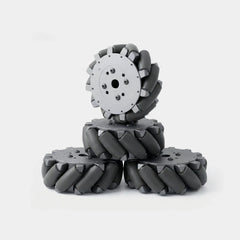
For the Acemate Tennis Robot S10 Pro Pre-order, assess movement under the demonstrated settings. Acemate S10 Pro moves in 360 degrees using mecanum wheels. The rally depends on shot speed, placement, court conditions and your selected settings.
For the Acemate Tennis Robot S10 Pro Pre-order, select the spin setting for your exercise. Acemate S10 Pro offers topspin, backspin and flat-shot settings. Choose a controlled exchange to assess the movement you want, then change the shot setting to match another task. For example, practise placement with a familiar shot pattern before introducing a different spin setting.
For your crosscourt exercise, record where you recover after returning, whether you prepare for the following ball and when you restart. Use the same observations for the exact Tennibot option. Choose separately for recovery practice and for selecting shot variety.
Compare Tenniix for your club's actual session
For club use, assess tracking through complete exchanges at the settings your players intend to use. Use relevant model-specific trials or ownership evidence when assessing reliability; a short highlight clip is insufficient for that purchase decision.
For the Acemate Tennis Robot S10 Pro Pre-order, read the runtime figure with its test condition. Up to five hours applies to Ball Machine mode with the launching wheels running at 3,000–4,000 rpm.
For the Acemate Tennis Robot S10 Pro Pre-order, check the workload you intend to run. Modes that involve more movement or higher-power settings use more energy, so actual training time varies.
Use the club timetable to total active periods by mode. Assess the exchanges and resets during your chosen exercise. Keep a reliability winner undecided without comparable evidence for the exact Tenniix option; choose around documented runtime conditions and the task you can assess.
Compare Lobster Elite for a programmed drill
For the Acemate Tennis Robot S10 Pro Pre-order, prepare the programmed exercise. The Acemate App lets S10 Pro users adjust shot settings, landing points and drill sequences. S10 Pro custom drills support sequential or random feeds and remote control through the app.
For a Lobster Elite comparison, choose a placement sequence you want to repeat. Configure the targets, practise the sequence and change a setting for the next task. Then choose random feeds when responding to an uncertain next ball is the objective. Compare the exact Lobster model's controls against those same tasks and choose the workflow that fits your lesson preparation.
Compare Spinfire for a private lesson
For the Acemate Tennis Robot S10 Pro Pre-order, select the lesson task. Acemate S10 Pro offers 100+ preset drills and supports custom drills for movement, consistency, placement and shot patterns. Acemate S10 Pro lets users review shot landing locations alongside session data.
For a Spinfire Pro comparison, plan a lesson around a specific placement objective. Select a suitable drill, observe the student and review the landing locations before choosing the next exercise. Assess the time you spend configuring, observing, pausing and collecting balls across the complete lesson.
Record how often you interrupt the lesson to change the task, then decide whether that preparation fits your teaching style. Choose against your own lesson requirements and spending ceiling, with the same exercise on each shortlist.
