Everyday rally practice
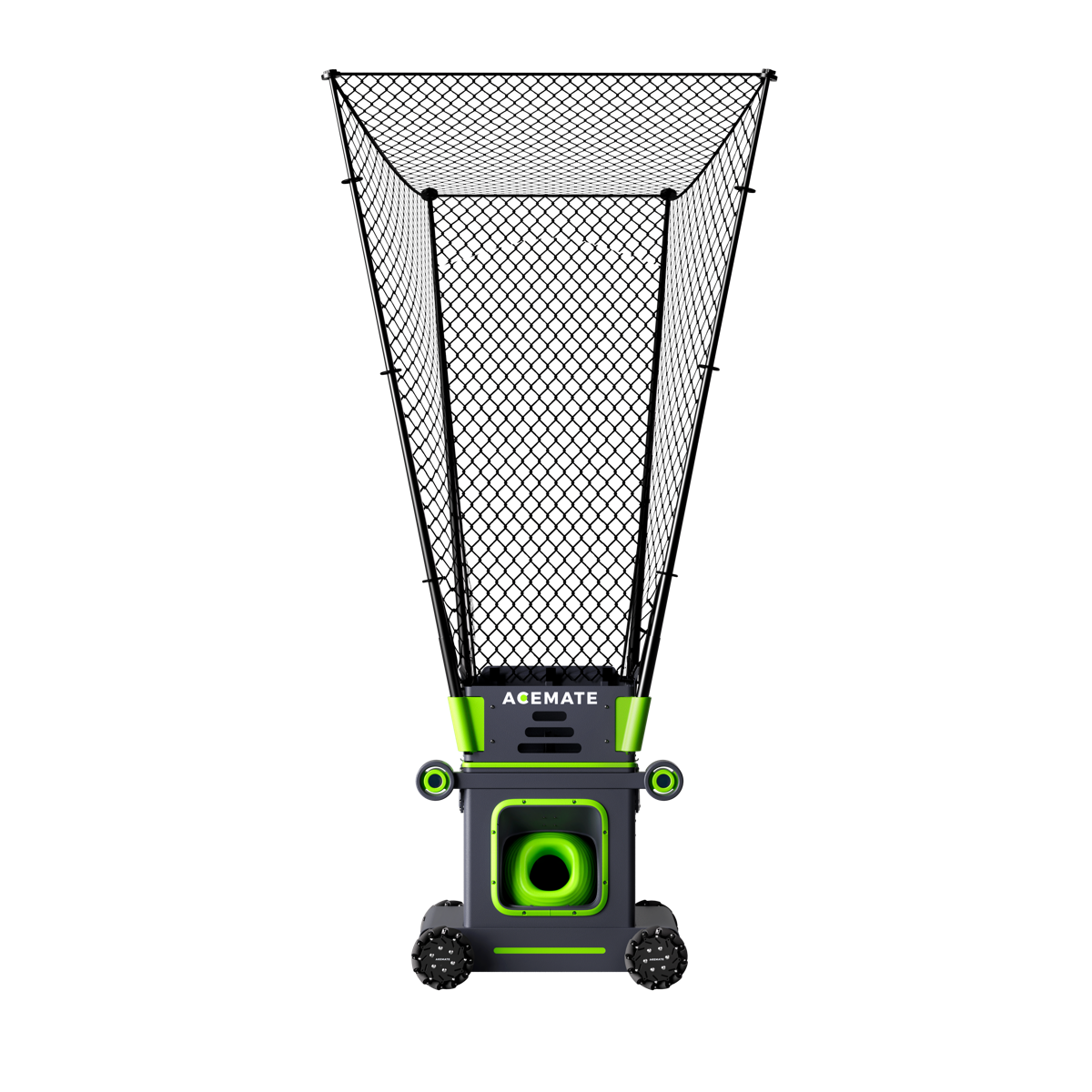
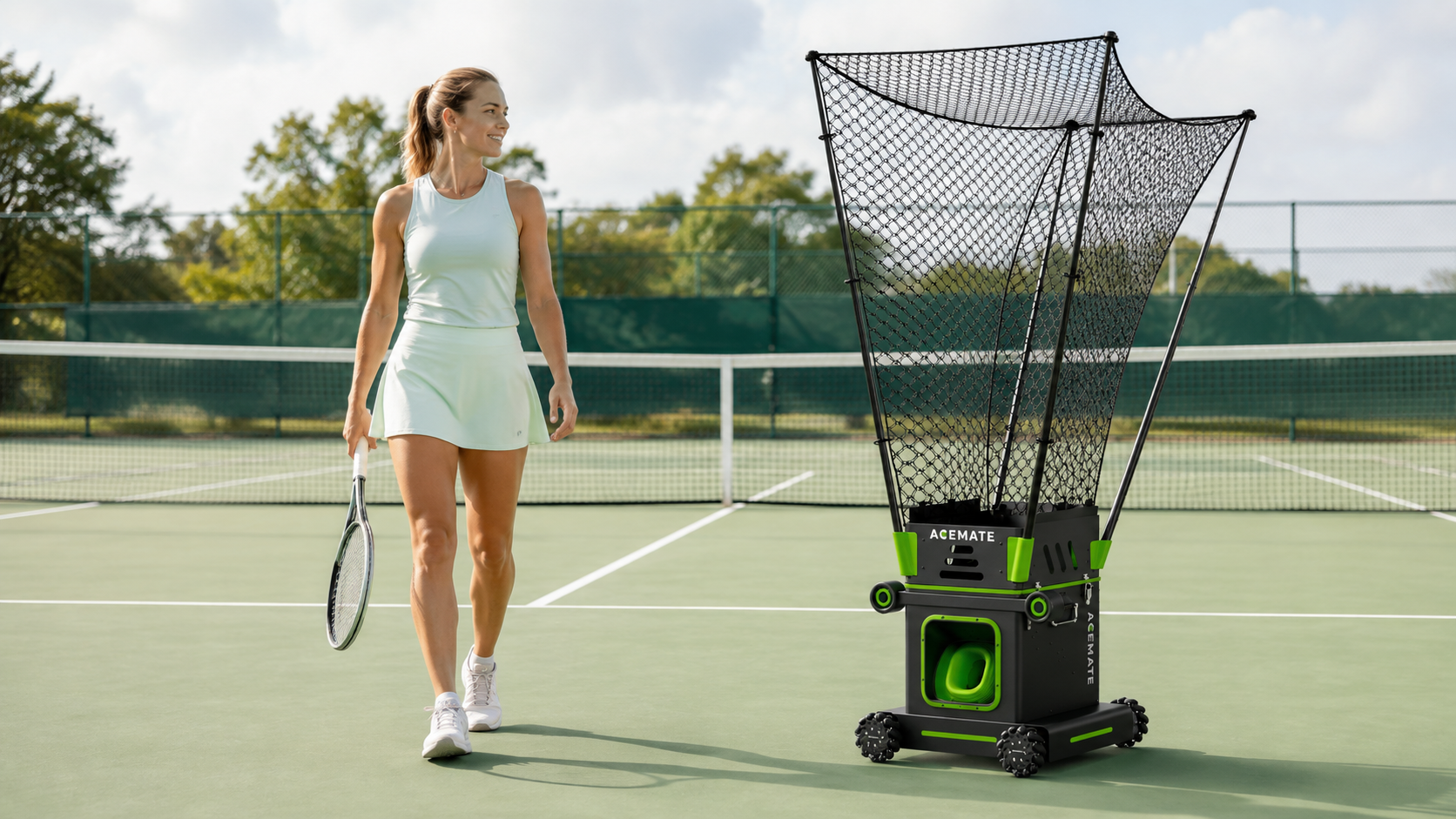
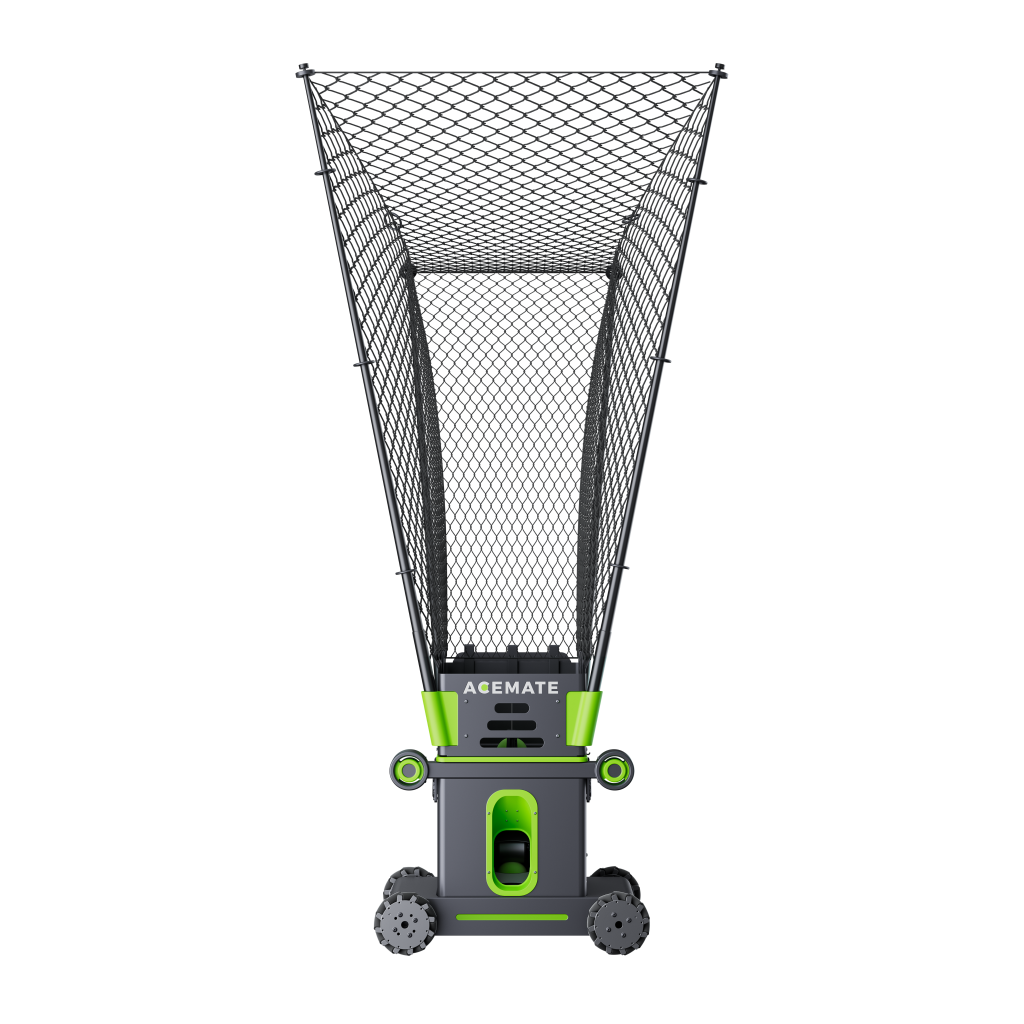
Acemate S10
A lighter robot for everyday rallies and focused drills.
- Top ball speed
- 60 mph
- Ball capacity
- 80 balls
- Rally capability
- Moves & returns
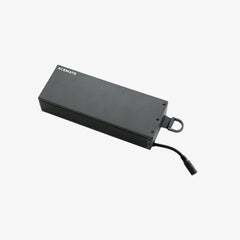
Choose your plug on the product page.
Explore S10Acemate tennis training
Practice on your schedule with Acemate’s AI tennis ball machines. Compare S10 and S10 Pro for responsive rallies and focused drills.
Everyday rally practice
A lighter robot for everyday rallies and focused drills.
Choose your plug on the product page.
Explore S10More demanding training
Pre-order
Stronger shots, broader spin and angle control, and a larger hopper.
Estimated dispatch around Oct 30, 2026.
Explore S10 ProPrices follow your selected market. Choose your plug and view current delivery details on the product page. Looking for spare parts? Shop Acemate accessories.
Compare your options
Both robots move, catch suitable returns, and rally back. Compare their shot performance and capacity, or include stationary, feed-only machines.
Swipe to see every machine. Feature names stay in place.
| Feature | S10Everyday practice | S10 ProHigher performance | TraditionalStationary, feed-only machines |
|---|---|---|---|
| Returns your shots | Catches suitable returns and rallies back | Catches suitable returns and rallies back | Feeds stored balls |
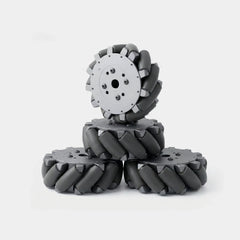
| Court movement | 360° movementFour Mecanum wheels | 360° movementFour Mecanum wheels | Feeds from a fixed position |
| Shot tracking | 4K binocular vision | Dual 4K HDR cameras | Features vary by model |
| Top ball speed | 60 mph97 km/h | 75 mph120 km/h | Varies by model |
| Ball capacity | 80 balls | 100 balls | Varies by model |
| Launch system | Adjustable ball feeds | ACE+ SHOTDirection adjusted through the launcher | Settings vary by model |
| Training & analysis | Acemate appIntelligent rally & session reports | Acemate appIntelligent rally & session reports | Programs and app features vary by model |
| Battery life | Up to 3 hoursDepending on use | Up to 5 hoursBall Machine mode; wheels at 3,000–4,000 rpm. Varies with use. | Varies by model and settings |
| Best fit | A lighter robot for daily personal practice | More demanding drills, coaching, and club use | Repeatable feeds from one position |
The buying guide
Match the machine to your routine: the shots you practice, how often you play, and how you get to the court.
Back to the comparisonExplore at your own pace
Open a topic for practical advice on machines, training, and care.
The launch wheels, feeding rhythm, and aim behind each shot.
Many tennis ball machines launch balls through a pair of spinning wheels. Speed, spin, feed rhythm, and aim work together to shape the shot you receive.
The launch wheels grip and accelerate the ball. Changing their speed changes pace, while a difference between the wheels helps create topspin or backspin.
The hopper stores balls and the feeder delivers them to the launcher. Longer intervals leave time to reset; shorter intervals add movement and conditioning demands.
Launch angle, speed, and spin influence a ball’s arc and depth. S10 Pro’s ACE+ SHOT system adjusts direction through the launcher, reducing reliance on whole-robot rotation.
What a tennis robot adds
Stereo cameras track the incoming ball, Mecanum wheels move the robot into position, and a net catches suitable returns. Caught balls go back into play, so the next exchange responds to the shot you hit and pickup breaks can be less frequent.
Understand automatic, programmable, AI, and rally-capable models.
These categories describe different capabilities and can overlap. An AI tennis robot can also run programmable ball machine drills.
Automatic machines repeat feeds at a set speed, spin, and interval. Many add oscillation to vary direction. They suit high-volume practice of a stroke or pattern.
Programmable machines combine shots using a remote or app. Available controls vary by model. S10 and S10 Pro support repeatable, customized practice in Ball Machine Mode.
Camera-based systems can track balls or players and provide training feedback. Check what each model measures and how those measurements affect the session.
S10 and S10 Pro move to catch suitable returns and send the next ball back. Their catching nets recirculate balls during rallies, rather than simply gathering them for later pickup.
A practice wall or rebounder is another solo option. Its return depends on your shot; it does not provide independently programmed feeds.
Practice ideas for solo players, coaches, clubs, and families.
Practice without scheduling a hitting partner. Repeat forehands, backhands, and volleys, then use available shot data to review placement and consistency after the session.
Let the machine handle repetitive feeding while a coach observes technique. Players can rotate through drills, and session reports can help guide the next lesson.
Add bookable solo practice to member programs, use quiet court hours for training, or offer accuracy and placement challenges at demonstrations and club events.
Adjust feeds for each player’s needs. Begin with a comfortable speed and longer intervals, follow the model’s setup instructions, and supervise junior sessions.
Start with a stroke, build a pattern, and take it into play.
Give each session one clear goal. Build consistent contact first, then add movement, variety, and decisions.
Use a clean, dry court with a clear operating area. Follow the model’s guide for positioning and clearance. Start with a slow feed, a long interval, and one target.
Begin with fixed-point forehands or backhands. Add short and deep balls, recovery movement, and crosscourt targets as contact and timing become more consistent.
Warm up, practice one pattern, then finish with varied feeds or rallies. Review your session and choose the next focus. Before a match, keep warm-up work comfortable and brief.
Keep your robot and practice balls ready for the next session.
Follow your model’s cleaning instructions, remove loose tennis-ball fuzz, check the catching net, and store the robot in a dry place. Turn the machine off before maintenance.
Balls in similar condition give more consistent feeds and bounces. Wet, damaged, or heavily worn balls can affect feeding and tracking. Check the user guide for ball compatibility.
Choose a suitable, dry playing surface and keep the robot’s path clear. Rally training depends on camera tracking and court markings. Check the requirements for your model and mode, and avoid rain or wet conditions.
Before you buy
Read on-court experiences, check the terms for your order, or try a robot at an available demo location.
4.8 / 5 from 98 S10 reviews
Ratings for Acemate S10, not S10 Pro.
S10 Pro is currently offered for pre-order. See its product page for the latest estimated dispatch date and pre-order refund terms. Confirm the model offered at your chosen demo location before booking.
Your questions, answered
Need help choosing for your court or training routine?
Talk to the Acemate teamIt can be worthwhile if you want regular practice beyond lessons and hitting sessions. Consider how often you will use it, court access, transport, and the controls you need. A machine provides repeatable practice, but your training plan determines how useful those repetitions are.
Prices vary with feeding controls, battery capacity, movement, and tracking features. The S10 and S10 Pro prices shown above update for your selected market. Check each product page for the current offer, included items, and shipping details.
Choose for your practice style and transport needs. S10 is the lighter Acemate option for everyday personal training. S10 Pro suits users who want stronger shot execution, broader spin and angle control, and a larger hopper. Both support intelligent rallies and ball machine practice.
Compare what the AI actually does: track shots, provide session data, adjust feeds, or support rallies. S10 and S10 Pro combine vision, movement, and a catching net to receive suitable returns. The best fit depends on whether you prioritize rally interaction, feeding controls, portability, or budget.
A machine can handle repetitive feeding and provide practice between lessons. A coach contributes technique assessment, tactical guidance, and individual instruction. Use machine sessions to practice the patterns and skills you work on with your coach.
Basic feeding may be possible in a smaller practice area if there is enough safe ball travel and clearance. Rally training needs suitable court markings and space for the robot to move. Requirements depend on the model and mode; check the user guide or ask the Acemate team about your court before ordering.
No. Extreme angles, very fast balls, and unexpected spin can fall outside the robot’s operating range. Rally length depends on shot placement, pace, court conditions, and your selected settings. Start with controlled shots to build a consistent exchange.