




You cannot reproduce a human opponent's choices by yourself, but you can rehearse the shots and recovery that connect a point. Use serving, a controlled pattern and a decision about the next ball. Acemate can add moving catch-and-return practice when a partner is unavailable; use it as one part of a session that still includes human match play.

1. Pick one point pattern
Choose a familiar situation, such as crosscourt groundstrokes followed by a direction change. Write down the starting shot and the next response. Keep one target for the block rather than trying to improve every part of your game at once.
2. Set a target you can see
Choose a court area appropriate to your level and exercise. Define success by placement or completing the intended sequence. If you use an app-recorded metric, keep the physical target clear as well.
3. Warm up with a manageable rhythm
Begin with a pace and movement range you can control. Use a cooperative partner, a suitable wall routine or a repeatable machine feed according to your setup. Stop and adjust if the pace prevents the response you are trying to practise.
4. Add recovery after your own shot
Return toward the position your exercise calls for. Rehearse preparation for the next ball instead of watching only where the last shot landed. Ask your coach to define the recovery position if you are unsure.
5. Connect a short exchange
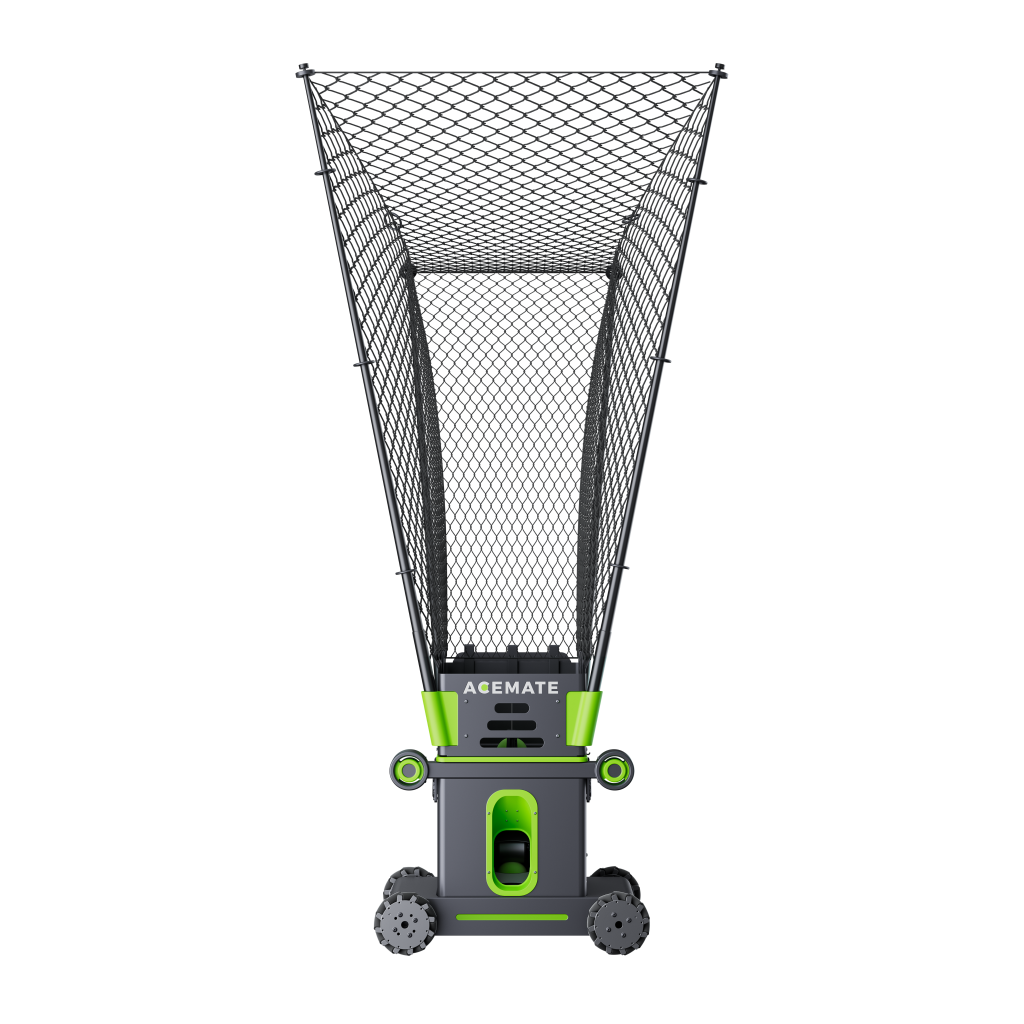
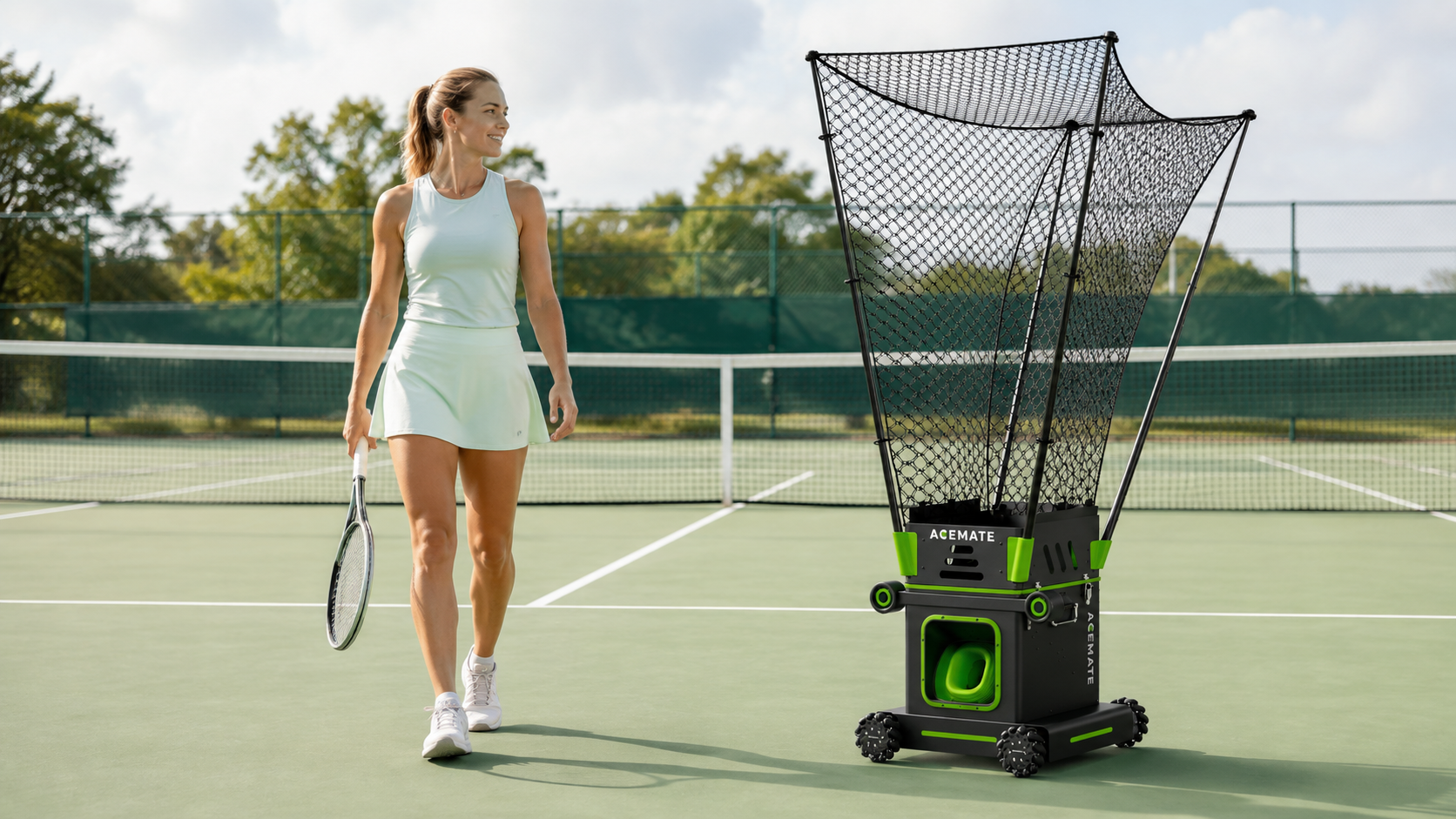
If you have a moving rally robot available, use a controlled exchange to connect placement with the next feed. Watch a full sequence, including missed catches and resets. Acemate's net attempts to catch incoming balls; it does not retrieve balls lying on the ground.
6. Rehearse serve-plus-one separately
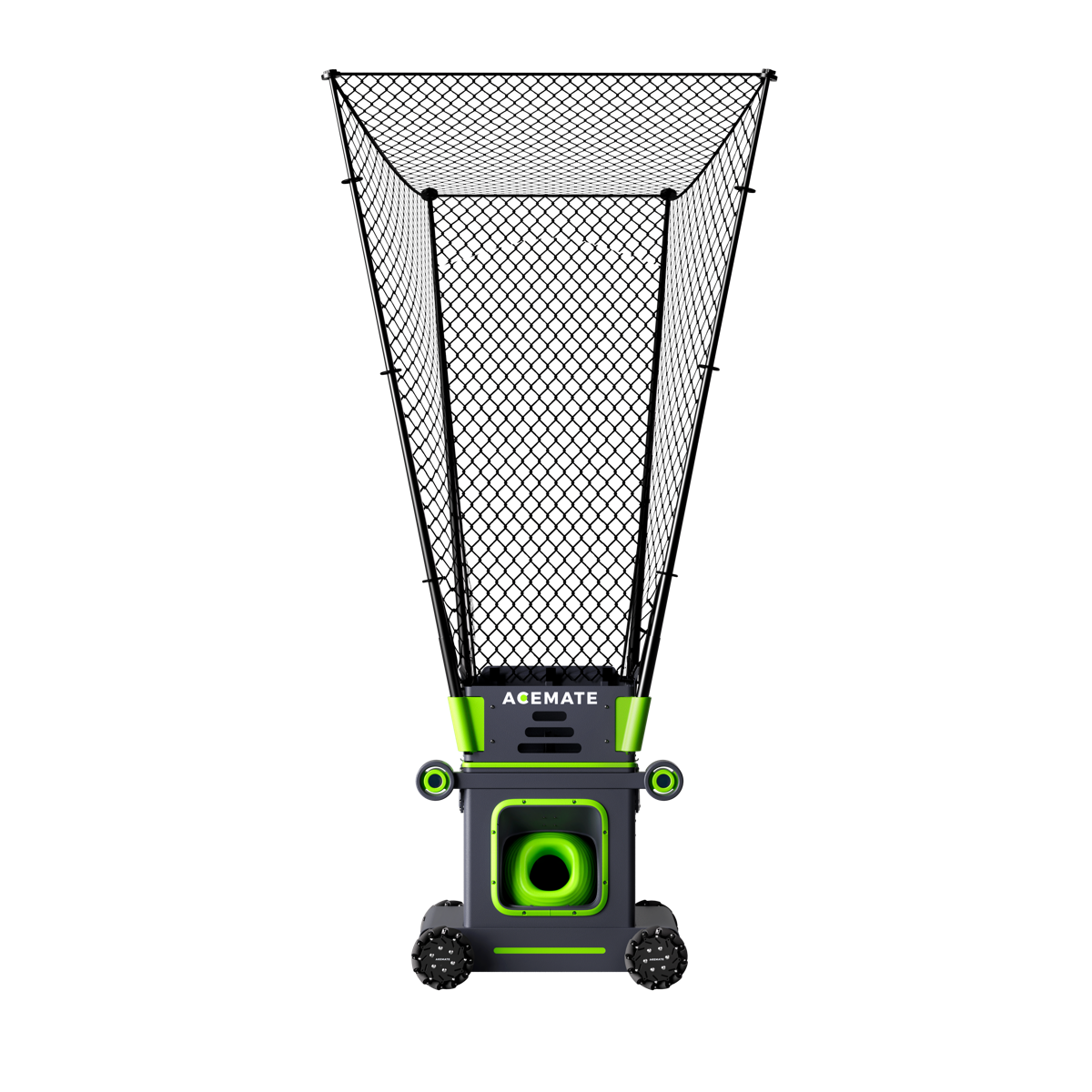
Choose a serve location, then identify the next-shot response you want to practise. Pro's Serve mode is described as serving followed by a simulated return. That task is different from practising your return against an elevated incoming serve.
7. Add a simple decision
Choose one decision rule for the pattern, such as maintaining the target before changing direction. Avoid turning every missed shot into a new rule. If you need technical correction, keep that question for a coached session rather than chasing a score.
8. Record the block and choose the next task
Note what you attempted, what worked and where the sequence broke down. Keep hitting time separate from setup, rests and collection. Use that record to repeat or simplify the exercise next time, then practise the situation against a person when you can.
Where Acemate fits
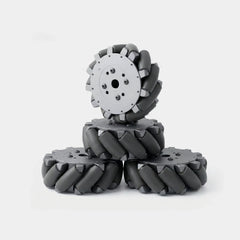
S10 is the starting point for everyday moving rallies and repeatable drills. Its current published figures are up to 60 mph feeds, 80 balls and up to three hours of runtime. Its cameras and catching net connect suitable returns with the next exchange while the machine moves on mecanum wheels.
Pro adds a published feed ceiling of up to 75 mph, a 100-ball capacity and ACE+ SHOT aiming. Choose it if its higher feed range, 100-ball hopper or ACE+ SHOT aiming matters to your routine. Its five-hour maximum applies only to Ball Machine mode at 3,000–4,000 rpm launching-wheel speed, with actual duration varying by use.
For a player practising after work, one short familiar pattern may be enough for the booking. For a junior, keep a supervising adult or coach responsible for the controls and operating area. For an advanced player, retain live opponents for pace, disguise and tactical variation that the solo exercise does not reproduce.
Session checklist
- One named shot pattern and a visible target.
- A pace and movement range you can control.
- Venue permission and a clear operating area.
- Time allowed for setup, rests and collection.
- One observation to carry into the next coached or live session.
Common mistakes
Changing every setting at once makes the exercise harder to evaluate. Start with one target and change a single variable when needed.
Counting machine repetitions as complete match practice leaves out an opponent's decisions. Use solo sessions to prepare for live points, then test the pattern with people.
Expecting every ball to be caught creates an unrealistic session plan. Keep collection and resets visible when judging the usefulness of a robot.
Treating app feedback as a complete technical diagnosis can send practice in the wrong direction. Use it with a clear assignment and appropriate coaching.
Follow the user guide for placement, surfaces and safe operation. Pause before anyone enters the robot's operating area.
FAQ
Can solo practice fully simulate a match?
No. It can rehearse selected shots and recovery patterns, while human play supplies an opponent's decisions and variation.
Must I use the most advanced model?
No. Start with the exercise you need. S10 may already cover everyday rallies and drills; compare Pro for its higher feed ceiling, larger hopper or ACE+ SHOT aiming.
Does a catching robot remove collection?
No. Balls that miss the catching area still need collecting, and the machine does not pick them up from the ground.
