



A tennis machine can replace some paid feeding repetitions, but it does not replace a coach's observation and technical decisions. Acemate makes sense when you have a clear practice assignment and want to repeat it between lessons. Keep coaching for diagnosis, corrections and deciding when to change the exercise.

Separate the jobs in your lesson
| What you currently pay for | Machine's possible role |
|---|---|
| Technical diagnosis and corrections | Practise the assignment after the coach explains it |
| Repetitions of an established pattern | Repeat the pattern independently |
| Tactical choices against an opponent | Rehearse selected situations; retain live play |
| Motivation and training structure | Use a saved routine, with a plan you will actually follow |
Ask your coach which part of a normal lesson could become independent practice. A useful answer names an exercise, target and common error. That gives you something to repeat and something to discuss at the next lesson.
Where Acemate adds a different practice option
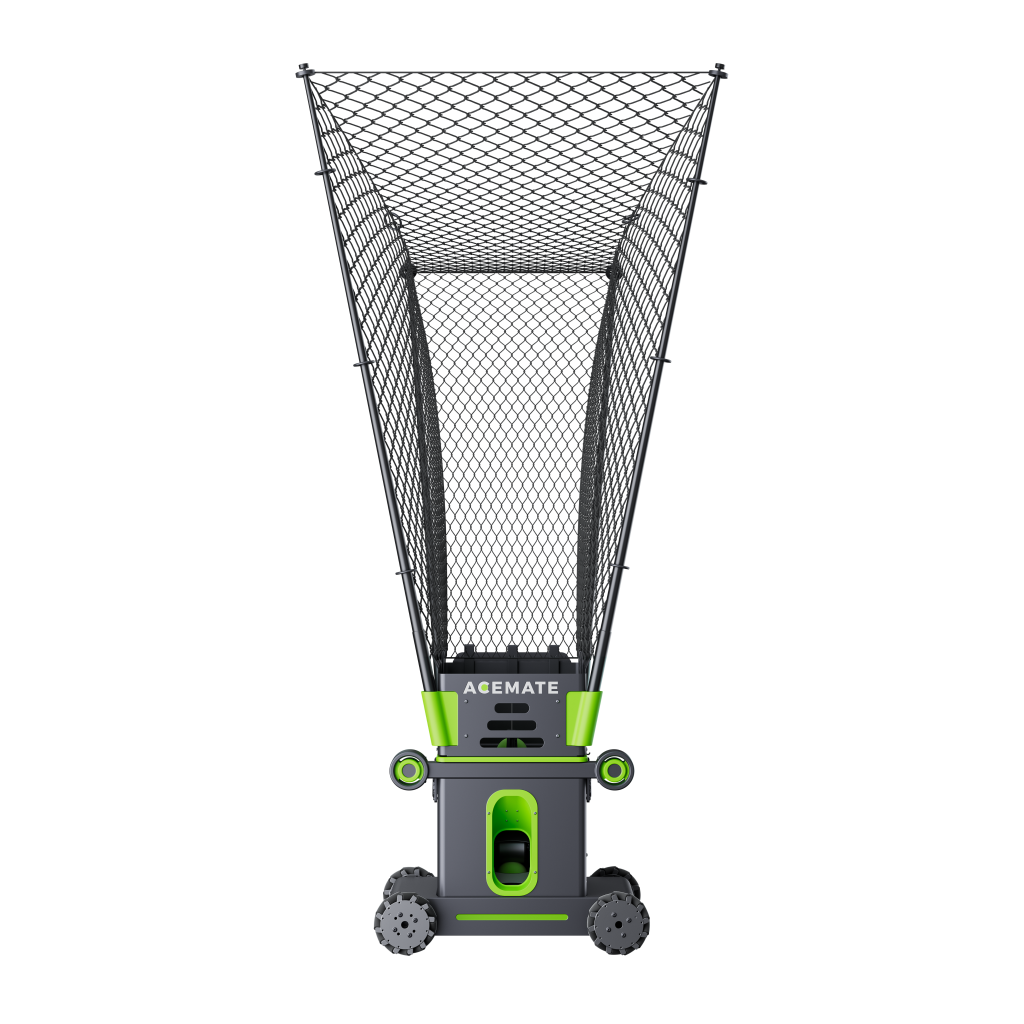
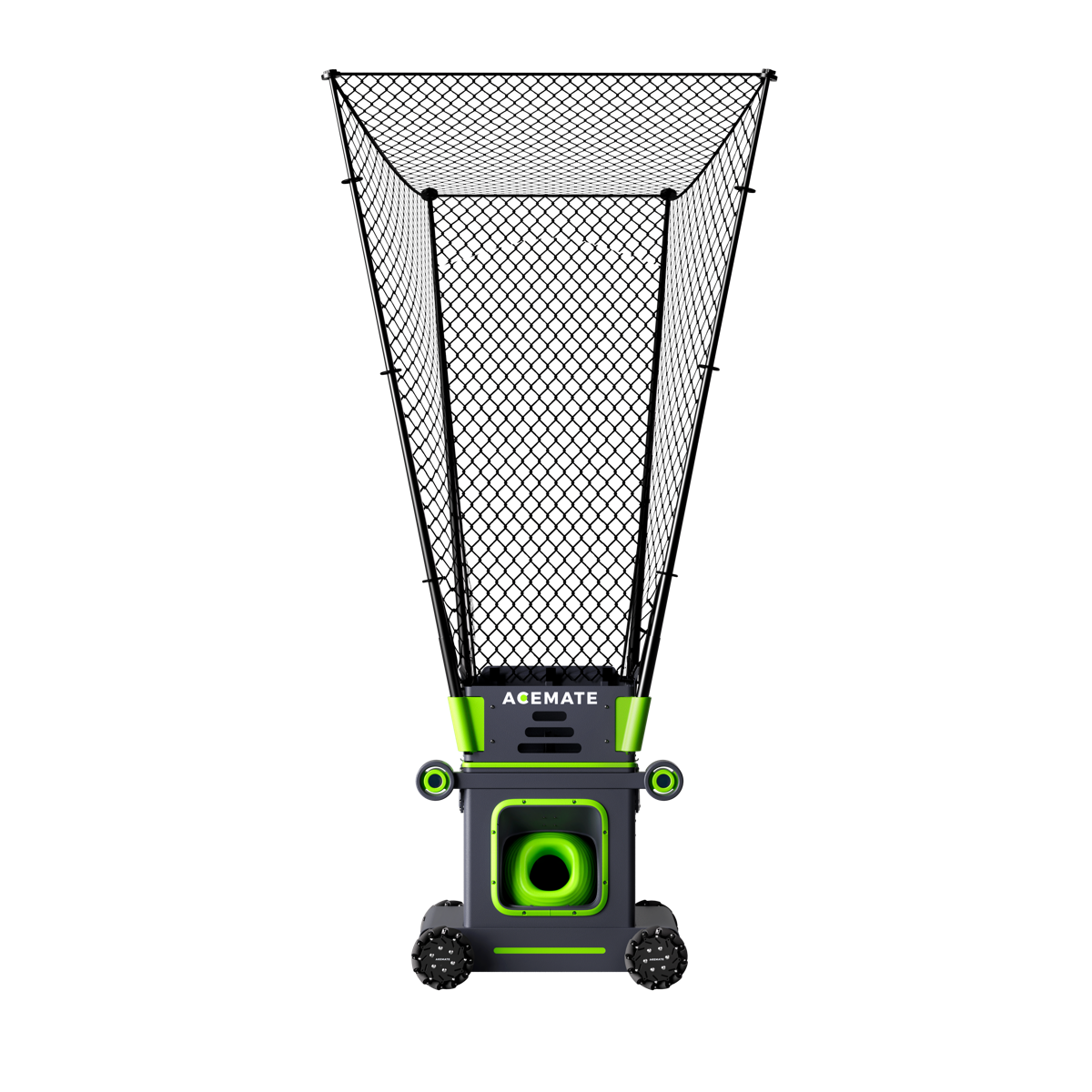
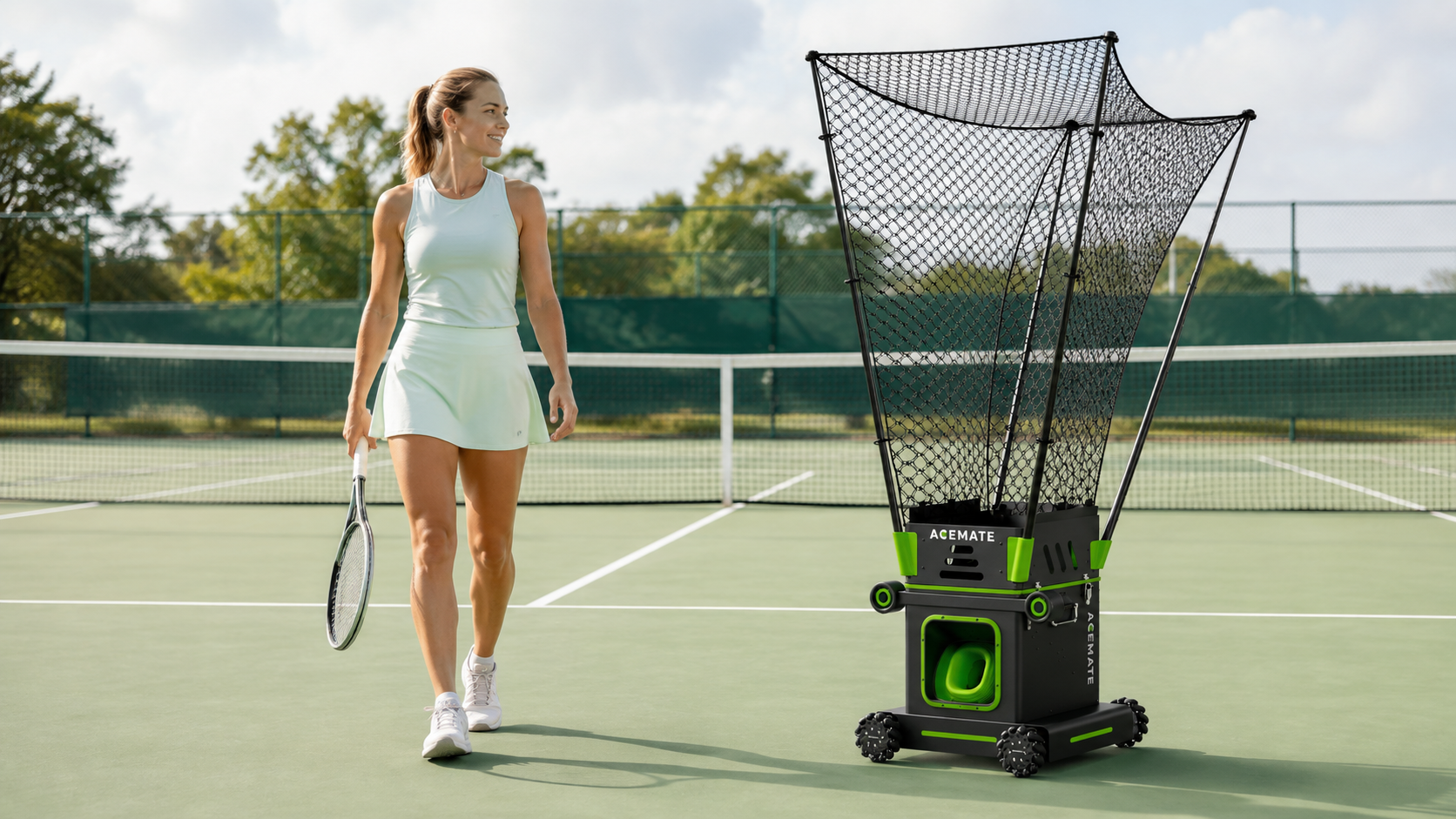
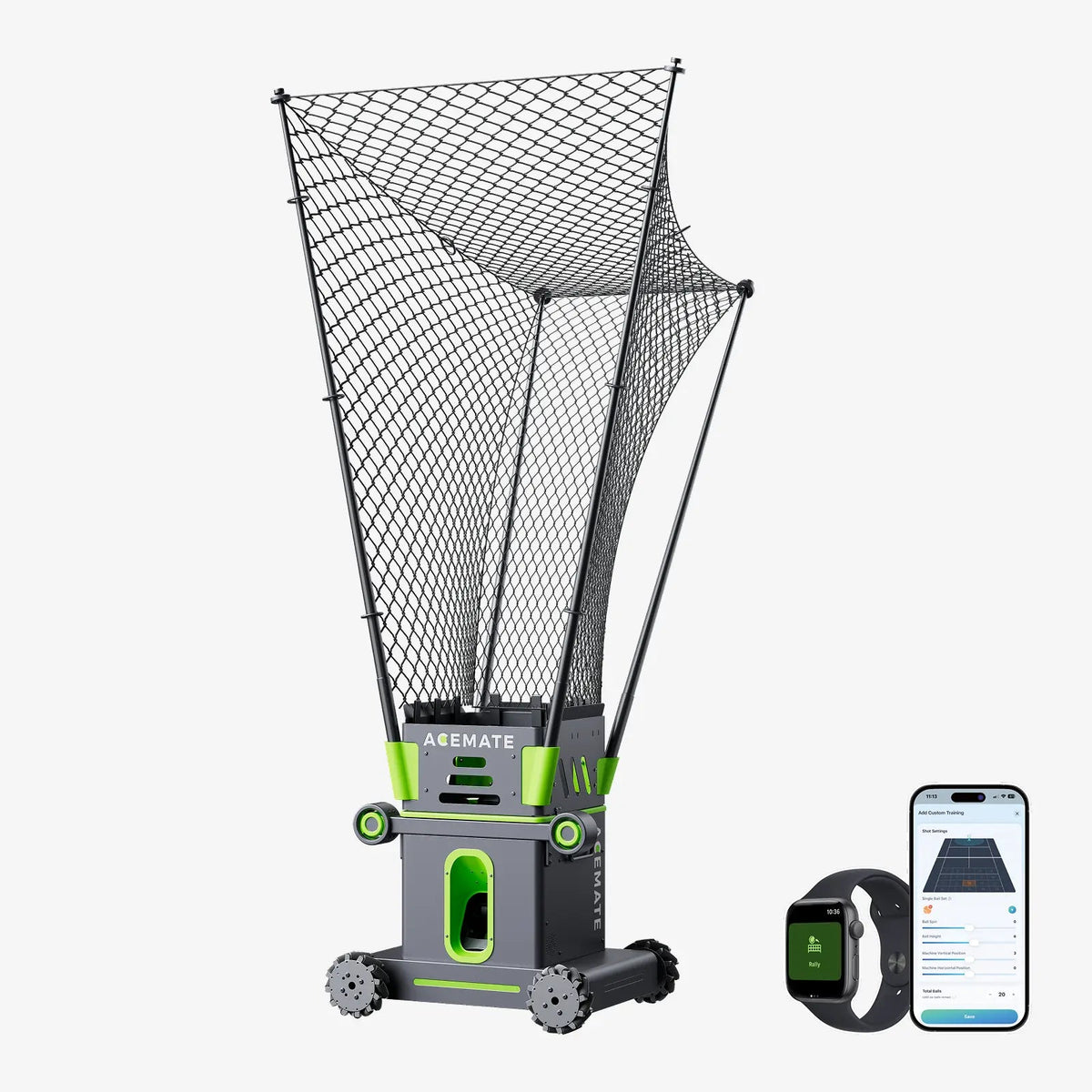
S10 combines conventional ball feeding with moving catch-and-return practice. Its current published specifications include up to 60 mph, an 80-ball hopper and up to three hours of runtime. It is the starting point when everyday rallies and drills cover the assignment.
S10 Pro publishes up to 75 mph, 100 balls and ACE+ SHOT aiming. Choose it if its higher feed ceiling, 100-ball hopper or ACE+ SHOT aiming is part of your plan. A higher headline number alone does not show that you will learn faster.
The machine does not catch every shot or retrieve ground balls. Keep collection and resets in your session plan. Use coaching feedback to interpret your practice rather than assuming every recorded metric is a technical diagnosis.
Calculate the budget from repetitions you will complete
Use this planning formula: one-time delivered equipment and accessory cost, divided by the monthly feeding expense you can avoid after subtracting recurring machine costs for that same month. The result is an estimated number of months to break even. If the monthly net amount is zero or negative, the calculation does not show a payback. This is a planning estimate, not a guaranteed saving.
For example, insert your own monthly feeding-only cost, not your full lesson bill. Keep the cost of technical coaching in the budget. If your court fees or travel would rise, add those too. If you practise less often than planned, the payback takes longer.
Compare current regional product totals through the ordering pages. Avoid comparing a temporary machine offer with a lesson price that includes a different service.
Make the next lesson define the next machine session
For a player rebuilding a backhand, retain the coach's technique work, then use a controlled feed and target between lessons. For a club player working on recovery, a moving exercise may add a useful independent block. In either case, bring a short practice record back to the coach and adjust the assignment.
FAQ
Can a robot replace my coach?
It can support practice between lessons. It cannot replace a coach's technical observation and decisions.
When does a machine make financial sense?
When you will repeatedly use it for work you would otherwise pay to receive. Calculate using realistic use and the full delivered cost.
Should I buy the more advanced model to improve faster?
Choose the model that performs your assigned exercises. A higher specification does not guarantee faster improvement.
